






Quench tanks have roots with the introduction of metallurgy. Quench tanks were used in Iron Age with construction of chipped tools from iron. Through progression of science, technology, and culture expansion metallurgy was processed into a refine manufacturing system. Over the centuries techniques and processes changed with the understanding of different metal. It was noticed by black smiths and metalworkers that metal could be cooled to change the strength and brittleness of iron. By rapidly cooling hot materials, crystal structure changes and allows for different physical properties.
 Most of the time steels and other metals are quenched during different heat treating process. Plastic can be quenched as well. Plastic materials also use quench tanks. The plastic material is melted and placed into a metal die. The metal die then forms the part, while the plastic is molted. From here, the die holding the molten plastic is submerged in the water to cool the plastic and the metal die. The die is opened and the plastic part is solid. This occurs rapidly and over a matter of seconds. The parts are then processed, packaged and distributed for use. Quench tanks are used for a variety of molten materials and used for different applications.
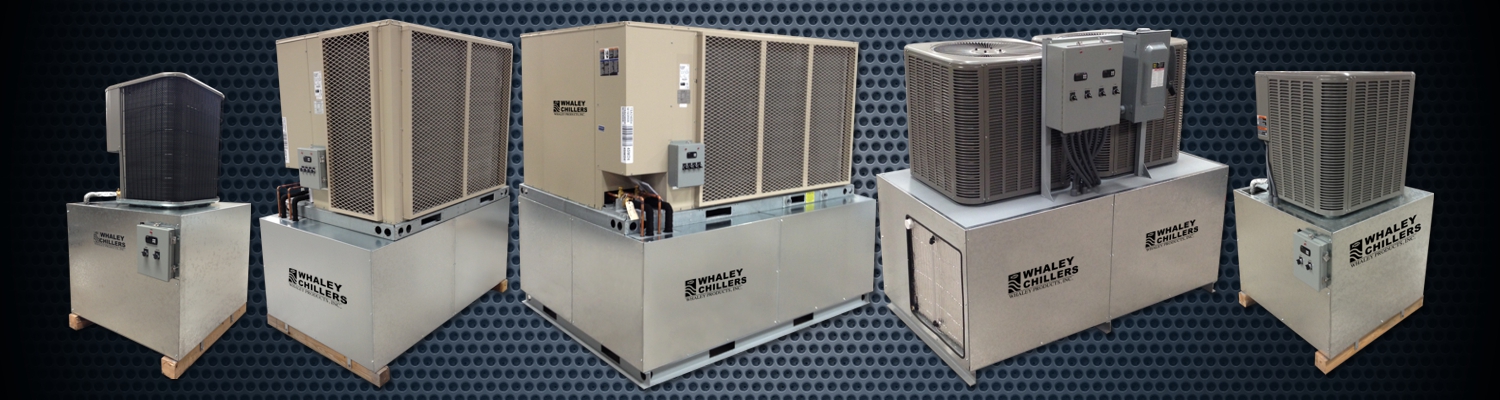
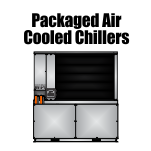
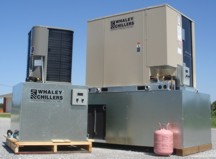 Packaged Chillers Non-expandable (integrated pump tank) 1.5Ton – 20Ton Single / Dual Circuits Single / Dual Pumps |
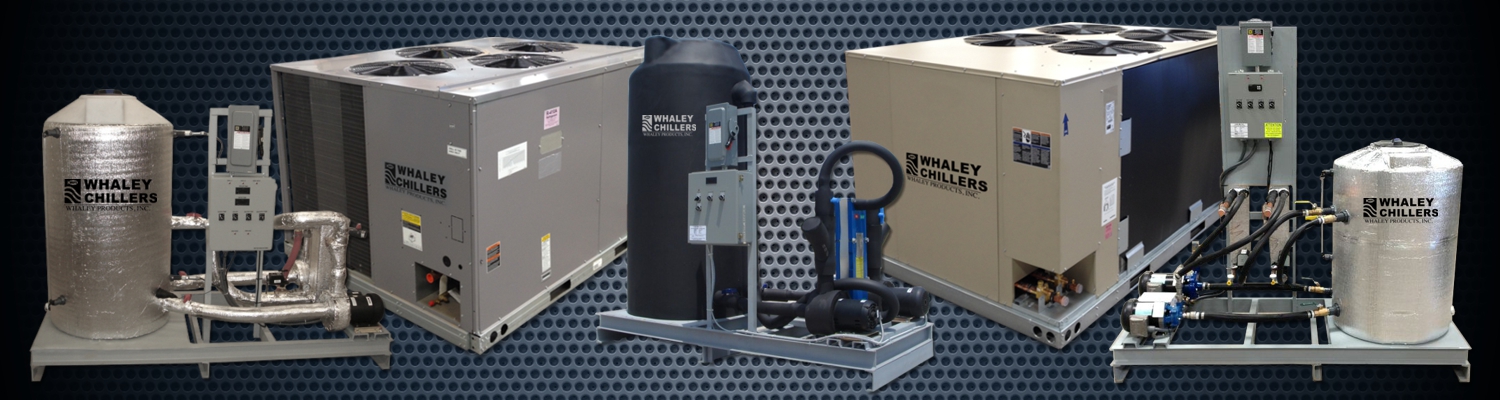
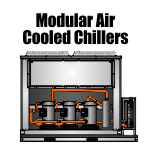
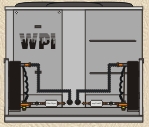 SAE Series Modular Chillers Expandable (pump & tank on separate skid) 1.5Ton – 200Ton Single / Dual Circuits |
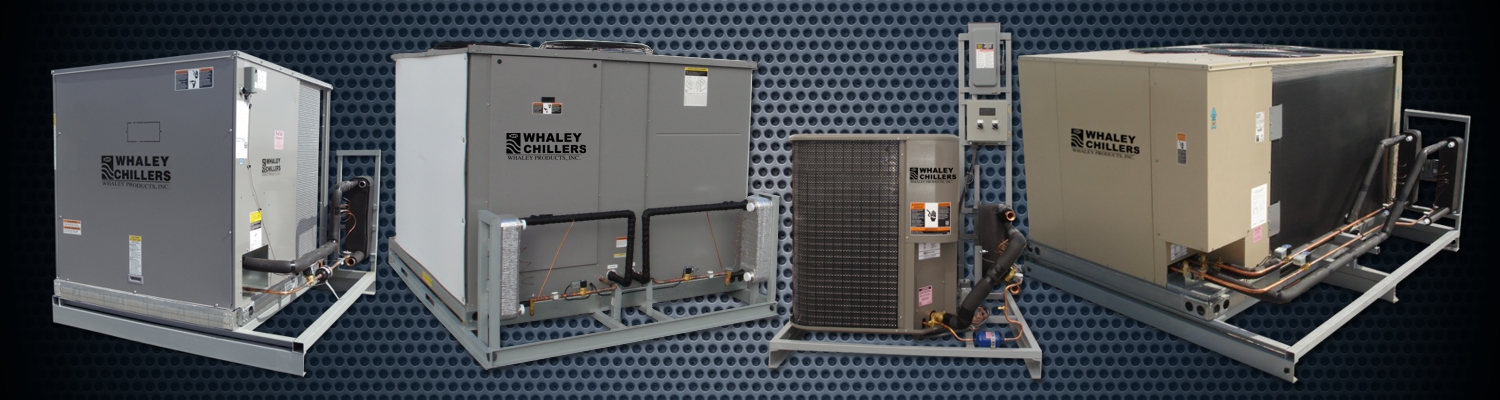
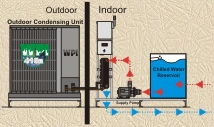 SAR Series Split Chillers Expandable (Outdoor Condensing Unit) (pump, tank, evaporator on indoor skid) 1.5Ton – 200Ton Single / Dual Circuits |